Finish carpentry across Toronto and the GTA
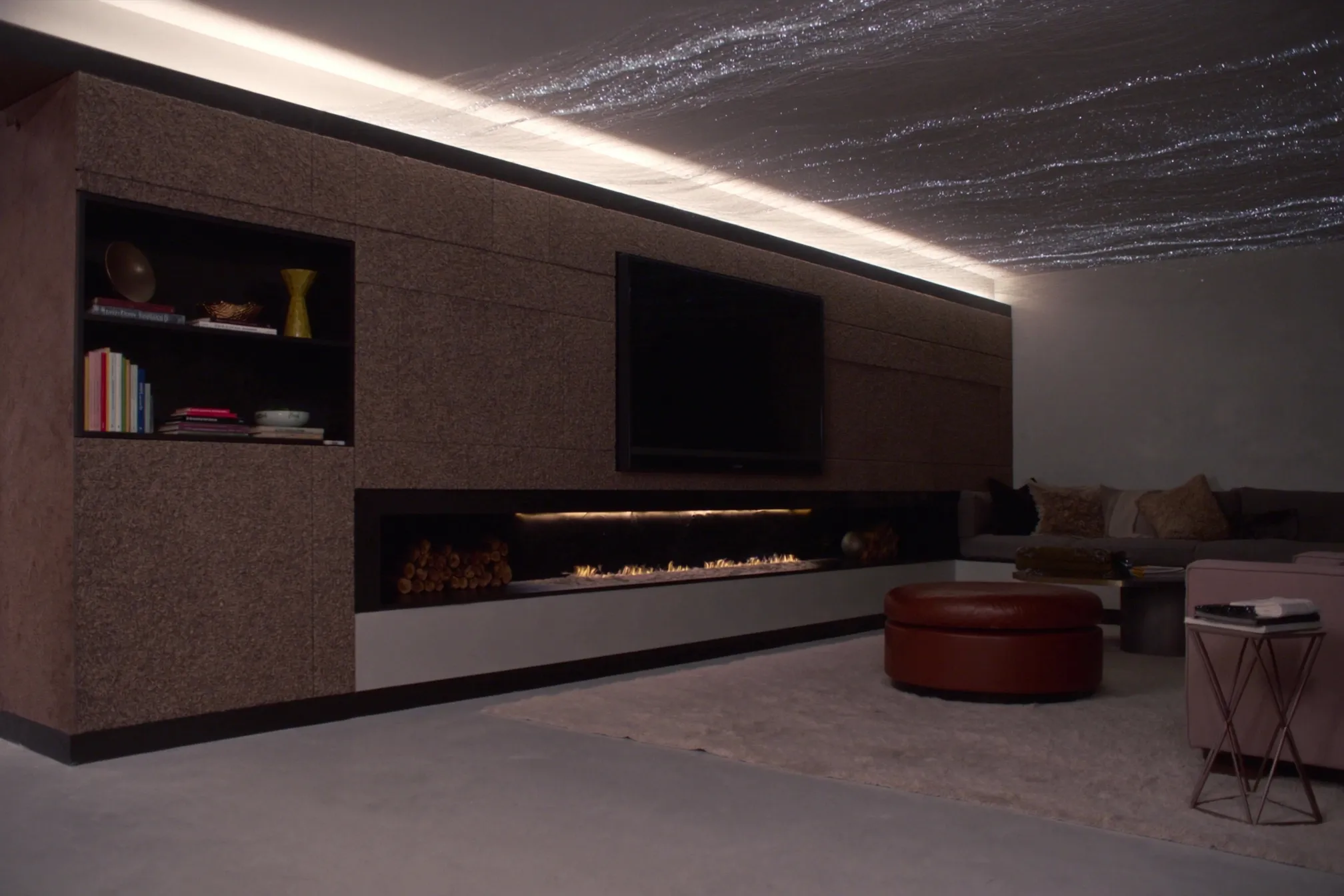
YAREX handles the finish work that decides how a renovation actually looks: built-in media walls and window seats, wainscoting and panel moulding, interior doors, stair railings, slat feature walls, crown and baseboard packages. We serve homeowners across the GTA from Etobicoke — sometimes as the final phase of our own renovations, often as a standalone project in a home that just needs better bones on the surface.
How the work runs
Every project starts with a free on-site estimate and a drawing or elevation for anything built-in. We measure the room as it really is — in century semis and 1950s bungalows, walls lean and floors roll, and good finish carpentry is largely the craft of hiding that. Paint-grade work is built from poplar and MDF and sprayed or brushed on site. Stain-grade work is milled and finished before installation. Stairs and railings are built to Ontario Building Code dimensions for guards and spacing, and structural stair changes are permitted through the City of Toronto. Most projects run one to three weeks, sequenced so painters and hardware follow the carpentry without a gap.
What it costs
Carpentry pricing follows scope more than square footage. Baseboard and casing upgrades for a main floor start around $2,000 to $5,000. A wall-to-wall built-in with cabinet doors, adjustable shelving, and lighting typically runs $8,000 to $15,000. Full trim packages for a house, panel moulding through halls and stairs, or a custom home office in millwork push past $30,000. Material grade (MDF versus poplar versus stained oak or walnut), integrated lighting, and hardware drive the spread. Every quote is fixed-price plus HST.
Why YAREX
Finish carpentry is where corners get cut last and noticed first, so we staff it with our own trim carpenters rather than the cheapest sub available. We are licensed and insured, and the Clean Worksite Promise fits this work naturally — dust extraction on every saw, floors protected, the room back in service each evening. Renovation and restoration under one roof means the same standard applies whether we are building your library wall or rebuilding a water-damaged one. Estimates are free. Call (416) 358-2059 or visit 6 Hagersville Ct, Etobicoke.
Carpentry & Finishes — questions
01How much does finish carpentry cost in Toronto?
Small scopes start around $2,000 — new baseboards and casing for a couple of rooms, or a painted feature wall. Built-in media units and window seats typically run $5,000 to $15,000. Whole-home trim packages, panel moulding throughout, or a library wall of custom millwork reach $30,000 and beyond. Quotes are fixed and itemized, plus 13% HST.
02What is the difference between built-ins and store-bought shelving?
Built-ins are scribed to your walls, carry real weight, and read as architecture rather than furniture. In older Toronto houses where no wall is plumb and no floor is level, off-the-shelf units show every gap. Custom carpentry absorbs those irregularities — that is most of what you are paying for.
03Do carpentry projects need a permit?
Trim, built-ins, doors, and panelling need no building permit. Stairs and railings must still meet Ontario Building Code dimensions for guard heights, baluster spacing and tread depth, and structural changes to stairs do require a City of Toronto permit. We build to code either way, because home inspectors check railings on every resale.
04Can you match the original trim in my century home?
Usually. Toronto's pre-war housing stock used deep baseboards and casing profiles that big-box stores no longer stock. We source matching profiles from specialty mills or have knives cut for larger runs, so patched and original trim read as one. For a single doorway, a close stock profile is often the economical call — we will tell you which.
05How long does a carpentry project take?
Most run one to three weeks on site. A trim refresh of a main floor takes days. A paint-grade built-in wall takes a week plus painting, and stained hardwood millwork adds shop time before installation. We schedule the painting, glass and hardware trades so the project ends finished, not almost finished.